Top Habits and Tools to Help You Become a Modern Dog Whisperer
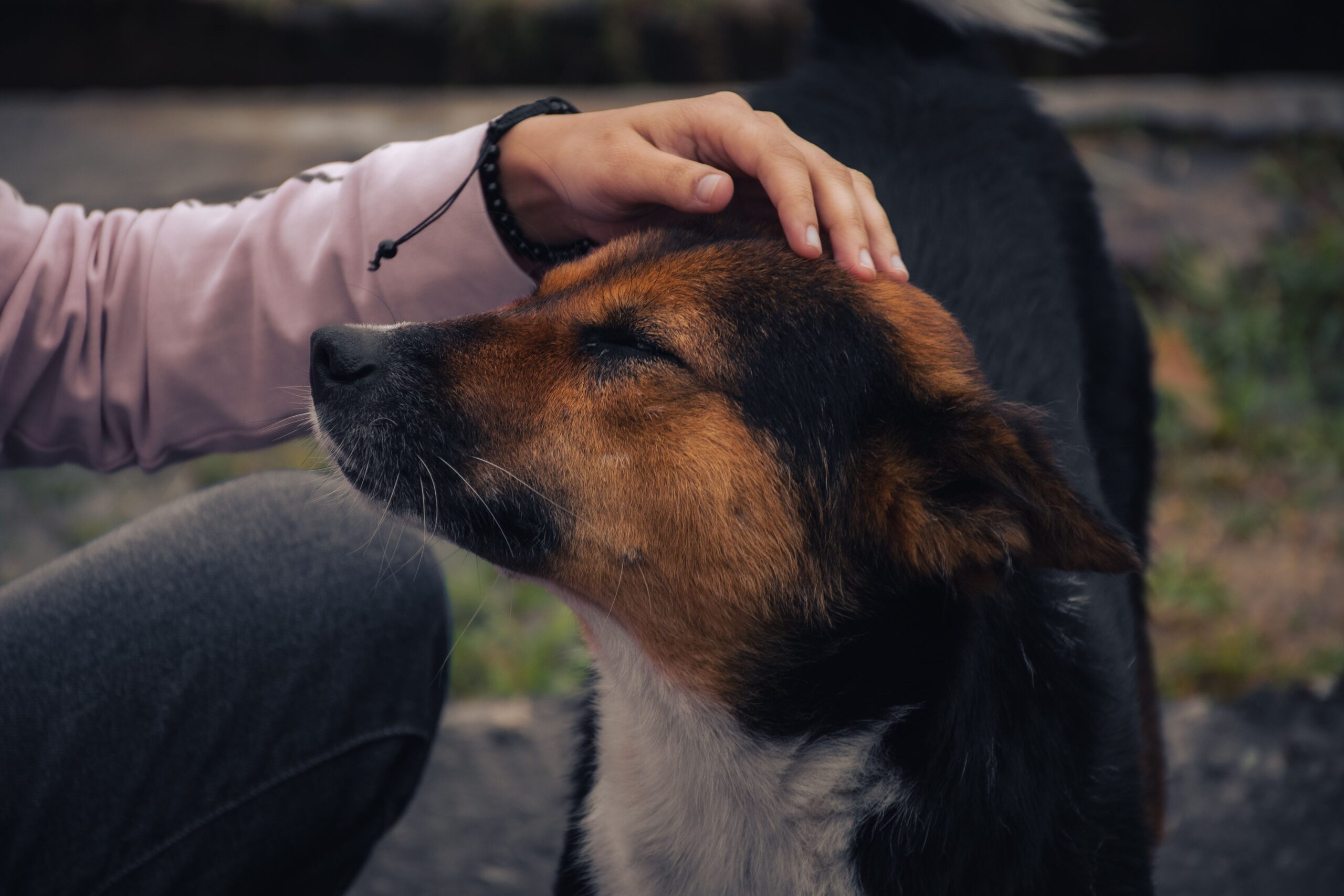
Becoming a dog whisperer who can connect easily with their pets is all about knowing dogs and creating spaces where they can feel safe and loved. Starting with simple care and grooming and then creating spaces that reduce anxiety, you can get to know your dog and all of his or her subtle cues. Here are the top habits and tools that can help you become a modern dog whisperer.
Proper Care and Grooming
Dogs can take a lot of extra care to keep them looking and feeling their best. Whether it’s a bi-monthly trip to the groomer to trim their hair and nails or the right shampoo to use at home and deter fleas, dog whisperers know that care and grooming matter.
Good grooming also means that they won’t forget the ears. Some breeds are more prone to infections, so ear care is essential especially for these pups. Head to the vet or pick up the supplies you need for a pet ear rinse to care for them at home. It’s important to learn all about your particular breed to ensure that you are giving your dog the best possible care.
Obedience Tools
Many people don’t take the time needed to train their dogs as pups, and they pay for it in bad behavior later. It’s cute when a tiny puppy is trying to jump up on you or rushes to meet you at the door, but when that little guy becomes a 60-lb labradoodle who knocks over small children or your grandma, it’s not so adorable anymore. A good dog whisperer knows that consistency from early on is one of the best obedience tools out there.
When you’re training a dog, stick to short sessions and only work on one behavior at a time. If you want your dog to sit, stay, come, or stop jumping, these training sessions are a must. Do them daily and make sure to have high value treats on hand to reinforce the behaviors you want your dog to exhibit.
Canine Body Language Training
Do you know what your dog’s body language is saying? Your dog might be stressed, sad, lonely, agitated, and more and you wouldn’t know it unless you paid attention to their early cues. Pay attention to things like ears, are they dropping or perked up? Heavy panting can sometimes be a stress response or hunger. When you notice this, it’s best to look at other indicators to help you figure out what your dog needs from you.
Other things to watch out for are signs that your dog is getting defensive and not just playful. You’ll also want to make sure that you give your pooch a safe space to hang out in if he or she seems overwhelmed. When you notice their signals, you’ll be better able to keep you and guests safe and help meet their needs.
Mental Stimulation and Enrichment
Dogs get bored. Bored dogs make messes. It’s important that your dog is getting the mental stimulation and enrichment needed to keep them from becoming destructive or difficult to manage. Daily walks are one great option. Playing fetch is another way to help them get out big energy and focus. You can try hide-and-seek-style games so they have to go hunt for a treat. They also make puzzle snack devices that reward your dog with a treat if they solve the puzzle. These are just some of the ways to give your dog some mental stimulation.
Calming Tools to Reduce Stress
Did you know that, similar to humans, dogs also experience anxiety and stress? They even experience separation anxiety, which can lead to many undesirable behaviors. Everything from chewing shoes to damaging furniture and the house. It’s important for budding dog whisperers to recognize the things that make their pups feel sad or unsafe and then to create an environment that is calming and low-stress.
Dogs who come from abusive backgrounds can be especially prone to stress and anxiety even when they are now in a safe and loving home. Licking mats, stuffed toys, and even clothes with familiar and comforting scents in their bedding area can be helpful. Some dog owners use supplements to help ease anxiety as well. Dogs really like predictable routines, and reinforcing good behaviors with treats can also help lower their anxious behaviors.
Building a Lasting Bond
Becoming a true dog whisperer doesn't happen overnight; it's the result of small, consistent efforts that add up over time. As you practice attentive grooming, positive training, and mindful observation of your dog's body language, you'll naturally develop a deeper understanding of what your companion needs to feel secure. Every walk, treat, and quiet moment together builds trust. With patience and consistency, you'll find that your dog begins to look to you as a source of comfort and guidance, and that mutual connection is really what being a dog whisperer is all about.


