Why Some Dogs Love Soft Comfort Toys More Than You Think
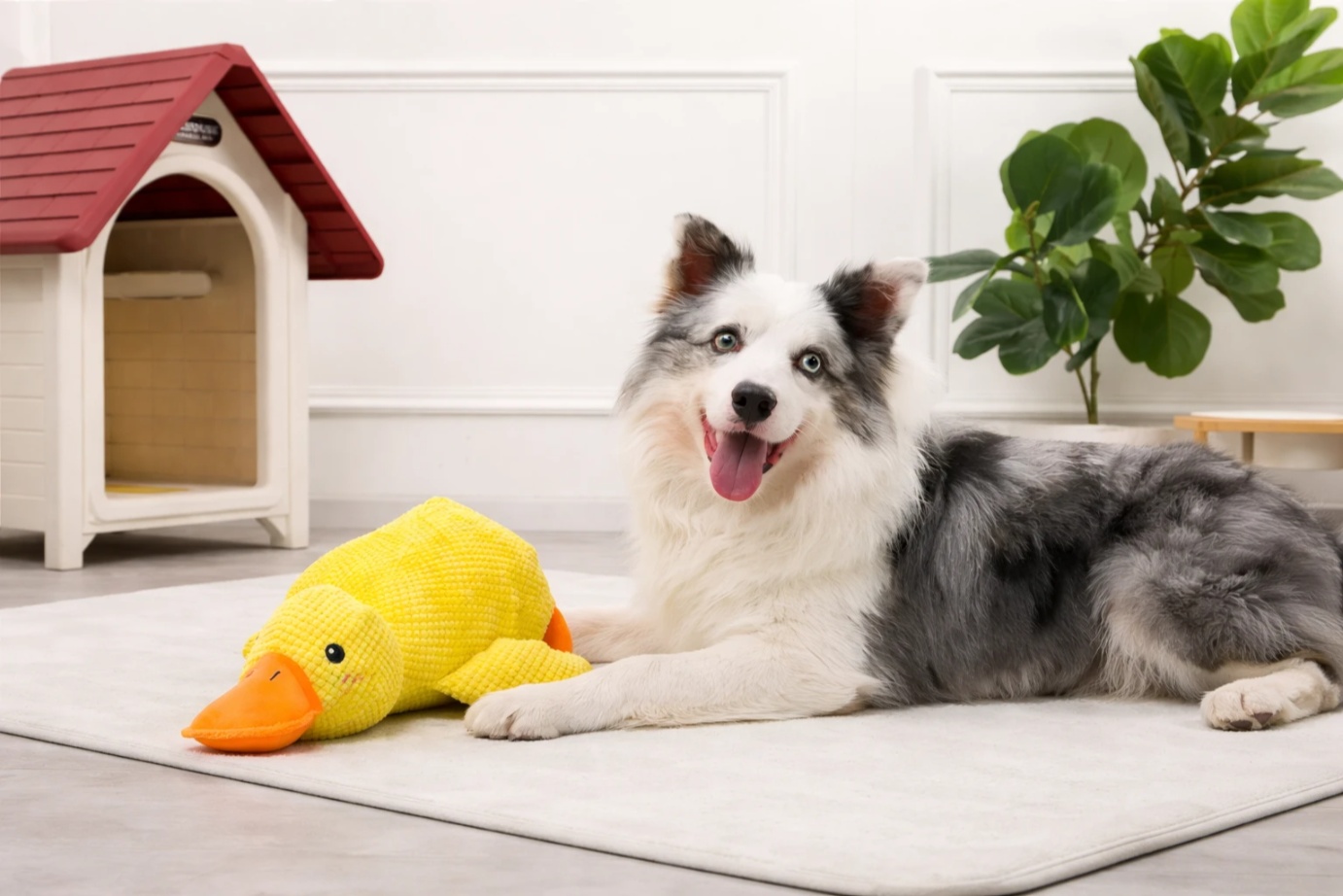
Not every dog wants the loudest, toughest, or most action-packed toy in the room. Some are drawn to something quieter. A soft toy they can carry from bed to couch. A familiar shape they check on during the day. A plush companion that becomes part of the small routines that make home feel settled.
That preference can be easy to overlook, especially when so much pet advice focuses on high-energy play, heavy chewers, and toys built for nonstop activity. But many dogs are not looking for intensity all the time. Some enjoy gentler play. Some like a toy that feels comforting in their mouth. Some simply enjoy having something soft nearby.
For those dogs, plush comfort toys can offer more than a quick distraction. They can fit naturally into calmer moments, familiar habits, and the everyday rhythm of home life.
Why soft toys appeal to some dogs
Dogs experience the world through texture, scent, movement, and familiarity. That helps explain why soft toys can be so appealing to certain personalities. A plush toy feels different from rubber, nylon, or rope. It is lighter to carry, easier to mouth gently, and often more inviting during quiet parts of the day.
For puppies, that softness can feel less overwhelming than a firmer toy. For gentle adult dogs, it may simply match the way they like to play. Some dogs want to toss, pounce, or parade a toy around the house without turning every play session into a wrestling match. A plush toy suits that kind of interaction well.
There is also something instinctive about carrying. Many dogs enjoy picking up soft objects and moving them from place to place. It may be from the living room to their bed, from the hallway to a favorite sunny spot, or from one family member to another. It is not always about play in the energetic sense. Sometimes it looks more like checking in, settling down, or keeping a favorite object close.
That is why a soft toy can become surprisingly important to a dog even when it is not the most durable or exciting item they own. The appeal is often personal rather than obvious.
Comfort, familiarity, and daily routine
Dogs tend to thrive on repetition. They notice patterns quickly, and many take comfort in familiar objects that stay part of those patterns. A favorite toy can become linked to certain moments of the day: winding down after an evening walk, settling near the couch while the house gets quiet, or curling up in a familiar corner before bed.
Soft toys often fit naturally into those routines because they do not demand much. They can be part of downtime without overstimulating the dog. They are easy to carry, easy to keep nearby, and often easy for the owner to recognize as a preferred comfort item.
That kind of familiarity matters. A toy does not need to be flashy to become meaningful to a dog. In many homes, the favorite toy is the one that gets a little worn from being brought everywhere, not the one that looked most impressive on day one. Dogs often create their own preferences in simple ways, and owners usually notice those preferences through repetition. The same toy gets chosen during quiet moments. The same toy shows up next to the bed. The same toy gets gently picked up when guests leave and the house feels calm again.
None of that means every dog needs a comfort toy. But for dogs that naturally gravitate toward softer items, those patterns can be easy to spot.
What dog owners often notice with plush comfort toys
Owners of comfort-seeking dogs tend to describe similar habits. Their dog carries the toy around without destroying it. Leaves it in favorite resting places. Picks it up during quiet parts of the day rather than only during active play. Sometimes the toy becomes part of a little ritual the dog repeats over and over.
That can look different from one dog to the next. One dog may gently mouth the toy while lying on the rug. Another may bring it over when settling near the family in the evening. Some dogs like tossing a plush toy for themselves, then curling up with it after the burst of play passes. Others seem to enjoy the texture more than the action.
What stands out is that the toy becomes part of the dog’s everyday life in a very natural way. It is not always the center of attention. It is just there, woven into familiar moments.
For owners, that can be useful information. It says something about the dog’s temperament and preferences. A dog that consistently chooses soft toys may not be looking for more stimulation. They may simply enjoy a gentler style of play and a softer object to interact with on their own terms.
How to choose a soft toy that suits your dog
The best soft toy for a dog is usually the one that matches how that dog already likes to interact with toys. Rather than choosing based on looks alone, it helps to pay attention to habits.
If your dog likes carrying toys from room to room, a lightweight plush shape is often a good fit. If your dog enjoys cuddling up with toys during rest time, texture matters more than bounce or toughness. If your dog prefers quiet independent play, look for something soft enough to feel comforting but interesting enough to keep their attention for a little while.
Size is worth thinking about too. A toy should feel easy for your dog to pick up and hold comfortably. Too large, and it may be awkward. Too small, and it may not give the same satisfying carry-around feel.
It also helps to be realistic about play style. Soft toys are usually best for gentle or moderate interaction, not determined shredders. Some dogs can enjoy a plush toy for a long time, while others treat every toy like a challenge. Knowing the difference saves frustration.
Above all, the right choice often comes down to personality. A soft toy works best when it feels like something your dog would naturally return to, not just something that looked cute on the shelf.
For dogs that enjoy gentle play, carrying a toy around the house, or settling with something soft nearby, a plush option can be a thoughtful choice. Something like a squeaky duck dog toy makes sense in that context because it fits the broader idea of comfort-led play rather than high-intensity activity. It is less about turning toy time into a big event and more about giving a dog something light, familiar, and enjoyable to keep close during calmer parts of the day.
Final thoughts
Soft comfort toys do not always get the same attention as heavy-duty chew toys or puzzle games, but for many dogs, they fill a different role. They suit quieter personalities, gentler habits, and those small daily routines that make a dog feel at home.
That is part of what makes them so worthwhile. They are not just playthings in the usual sense. For some dogs, they are familiar objects woven into the flow of everyday life.
When owners pay attention to what their dog naturally reaches for, they often learn something simple but useful: the best toy is not always the most durable, the loudest, or the most impressive. Sometimes it is just the one that feels right.


