
Blog
Best 5 AI-Powered Tools for Veterinary Imaging Diagnosis in 2026
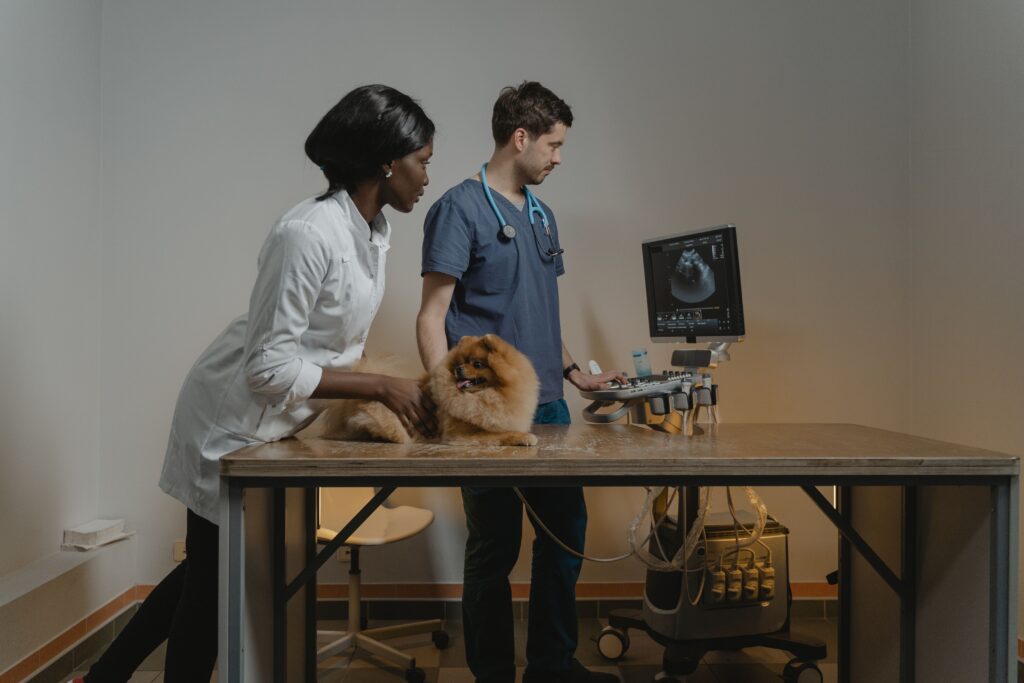
Veterinary imaging has always played a central role in clinical decision-making. Whether evaluating a coughing dog, investigating a possible foreign body obstruction, assessing cardiac enlargement, or identifying subtle orthopedic abnormalities, diagnostic imaging often provides the information needed to move from suspicion to action.
What has changed over the past few years is not the importance of imaging itself, but the speed and sophistication with which imaging studies can be interpreted.
Artificial intelligence is reshaping veterinary imaging workflows by helping clinics analyze radiographs faster, prioritize urgent findings, standardize reporting, and reduce the delays that frequently occur when practices rely exclusively on specialist review. Rather than replacing veterinarians or radiologists, AI-powered imaging platforms are increasingly becoming a support layer that helps teams make better use of the images they already capture every day.
The result is a new category of veterinary technology focused specifically on imaging diagnosis. These solutions combine computer vision, machine learning, automated reporting, workflow automation, and cloud-based collaboration to help practices extract more clinical value from every radiograph.
The 5 Best AI-Powered Tools for Veterinary Imaging Diagnosis in 2026
1. SignalPET
SignalPET has established itself as the best veterinary imaging AI tool by focusing specifically on radiology workflows rather than attempting to become an all-purpose veterinary software platform.
The company’s approach centers on providing rapid imaging insights through a combination of artificial intelligence, structured reporting, and optional radiologist review.
One of SignalPET’s most notable differentiators is its layered workflow model. Clinics can receive immediate AI-generated insights shortly after image acquisition while also accessing more comprehensive reporting options when needed.
This structure allows practices to balance speed with diagnostic depth depending on the clinical scenario.
Key capabilities include:
- Automated radiograph interpretation
- AI-assisted diagnostic reporting
- Cloud-based image analysis
- Radiologist collaboration options
- Workflow optimization tools
- Emergency case support
SignalPET is particularly effective in environments where rapid decision-making is critical. Emergency hospitals, urgent care clinics, and busy general practices often face situations where waiting hours for image interpretation can slow patient care.
The platform also emphasizes report standardization, helping teams maintain consistency across cases and clinicians.
Rather than serving solely as an image-analysis engine, SignalPET functions as a comprehensive imaging workflow solution designed to help practices move from image acquisition to clinical action more efficiently.
For clinics seeking a dedicated veterinary imaging diagnosis platform with a strong emphasis on radiology workflows, SignalPET remains one of the strongest options available.
2. Vetology
Vetology has become a prominent player in veterinary imaging by combining artificial intelligence with teleradiology services and specialist consultation.
Its platform focuses on delivering both automated image analysis and access to professional interpretation resources, creating a hybrid model that appeals to practices seeking multiple layers of diagnostic support.
Unlike solutions that focus exclusively on AI-generated outputs, Vetology positions imaging diagnosis as a collaborative process involving technology, clinicians, and specialists.
The platform supports radiographic evaluation across a wide range of common veterinary applications.
Notable capabilities include:
- AI-assisted image interpretation
- Teleradiology services
- Cloud-based image management
- Diagnostic workflow support
- Specialist consultation pathways
- Reporting automation
Vetology’s strength lies in its ability to support practices that require both rapid feedback and specialist expertise. This dual approach can be especially valuable for clinics handling complex cases or working in regions with limited radiology resources.
The company continues to expand its AI capabilities while maintaining strong ties to traditional teleradiology workflows.
For practices that want AI support without fully separating diagnostic workflows from specialist oversight, Vetology offers a compelling option within the veterinary imaging ecosystem.
3. Zoetis Imagyst
Zoetis is one of the largest animal health companies in the world, and its Imagyst platform represents a broader vision of artificial intelligence across veterinary diagnostics.
While many AI solutions focus exclusively on radiology, Imagyst extends AI-assisted analysis into multiple diagnostic disciplines, creating a unified ecosystem that supports veterinary decision-making across various workflows.
The platform is designed to help clinics leverage AI not only for imaging but also for pathology and laboratory diagnostics.
Within imaging workflows, Imagyst uses machine learning to assist veterinarians in evaluating radiographs and identifying clinically relevant abnormalities.
Key capabilities include:
- AI-supported imaging analysis
- Integrated diagnostic workflows
- Cloud-based diagnostic tools
- Multi-disciplinary AI applications
- Automated result generation
- Practice-wide diagnostic support
One of Imagyst’s strengths is its ability to fit into clinics already seeking a comprehensive diagnostic technology strategy rather than a single-purpose imaging solution.
Veterinary teams often manage multiple diagnostic workflows simultaneously. Imaging, laboratory testing, pathology, and patient monitoring all contribute to clinical decision-making. By integrating these areas, Imagyst helps create a more connected diagnostic environment.
The platform’s broader ecosystem may be particularly attractive to practices seeking to standardize diagnostic technology across departments rather than deploying separate solutions for each workflow.
As veterinary AI continues to evolve, platforms like Imagyst illustrate how imaging diagnosis can become part of a larger diagnostic intelligence framework.
4. VetCT
VetCT has long been recognized as a leader in veterinary teleradiology and specialist consultation. More recently, the company has expanded its technology offerings to incorporate AI-assisted workflows designed to improve efficiency throughout the imaging review process.
Unlike platforms built primarily around automated diagnosis, VetCT’s approach centers on enhancing specialist-driven workflows through technology.
This makes it particularly attractive to referral centers, specialty hospitals, and advanced veterinary practices where complex imaging studies often require expert interpretation.
The company supports a wide range of imaging modalities, including:
- Radiography
- Computed tomography (CT)
- Magnetic resonance imaging (MRI)
- Ultrasound
- Advanced specialty imaging
Key capabilities include:
- Specialist radiology consultation
- AI-enhanced workflow support
- Global teleradiology network
- Advanced imaging expertise
- Diagnostic collaboration tools
- Cloud-based case management
One of VetCT’s distinguishing characteristics is its deep specialization in veterinary imaging. Rather than serving as a general veterinary software provider, the company focuses heavily on diagnostic imaging and specialist consultation.
This focus allows VetCT to support challenging cases that extend beyond routine radiographic interpretation.
For practices that frequently handle complex orthopedic, neurological, oncological, or referral-level cases, access to advanced imaging expertise remains a critical consideration.
VetCT demonstrates how AI can complement specialist interpretation rather than replacing it, creating a workflow that combines technology with clinical expertise.
5. IDEXX Diagnostic Imaging Solutions
IDEXX has built one of the most comprehensive veterinary diagnostic ecosystems in the industry, and its imaging solutions reflect this broader commitment to integrated clinical workflows.
Many veterinary practices already rely on IDEXX for laboratory diagnostics, patient records, and practice management. Its imaging offerings extend that ecosystem by helping clinics manage image acquisition, storage, interpretation, and collaboration.
The company’s imaging strategy focuses heavily on connectivity and workflow integration.
Key capabilities include:
- Digital imaging management
- Cloud-based image access
- Telemedicine integration
- Diagnostic collaboration
- Reporting workflows
- Multi-site accessibility
One of IDEXX’s greatest strengths is its ability to connect imaging with other diagnostic data sources.
Veterinary medicine rarely relies on a single data point. Imaging findings must often be interpreted alongside laboratory results, patient history, physical examination findings, and treatment responses.
Integrated diagnostic environments help clinicians view patient information more holistically.
IDEXX also supports practices with multiple locations, helping teams access imaging studies and collaborate regardless of geography.
As veterinary medicine becomes increasingly data-driven, platforms that unify diagnostic information across workflows may become increasingly valuable.
For practices seeking an imaging solution that fits within a larger clinical technology ecosystem, IDEXX remains a significant player in veterinary imaging diagnosis.
Why Veterinary Imaging Has Become a Natural Fit for Artificial Intelligence
Many veterinary technologies require large amounts of structured patient data to function effectively. Imaging presents a unique opportunity because radiographs, ultrasound studies, CT scans, and other diagnostic images already exist in digital formats that can be analyzed using machine learning models.
Several factors have accelerated AI adoption in veterinary imaging:
Growing Imaging Volumes
Veterinary practices perform more imaging studies than ever before. Increased access to digital radiography systems has made imaging a routine diagnostic tool rather than a specialized procedure reserved for referral hospitals.
As imaging volumes grow, practices face increasing pressure to review studies quickly while maintaining diagnostic confidence.
Specialist Shortages
Board-certified veterinary radiologists remain a limited resource in many regions. Access to specialist interpretation can vary significantly depending on location, time zone, and case urgency.
AI helps bridge this gap by providing immediate preliminary analysis while practices await specialist review when necessary.
Faster Clinical Decisions
Imaging often sits at the center of critical treatment decisions. Delays in interpretation can affect:
- Treatment planning
- Hospitalization decisions
- Surgical referrals
- Emergency interventions
- Follow-up testing
AI-supported imaging workflows can shorten the time between image acquisition and clinical action.
Standardized Reporting
Diagnostic consistency is another major challenge. AI systems can help standardize report structure, terminology, and findings presentation, making communication easier across teams and locations.
What Veterinary Teams Should Evaluate Before Choosing an AI Imaging Platform
Not all veterinary imaging AI tools are designed for the same purpose. Some emphasize rapid triage, while others focus on detailed diagnostic reporting or specialist collaboration.
Before selecting a platform, practices should evaluate several important factors.
Diagnostic Scope
The most capable systems can identify dozens of radiographic findings across multiple anatomical regions.
Questions to consider include:
- How many conditions can the system detect?
- Does it support both canine and feline studies?
- Is thoracic imaging supported?
- Are musculoskeletal findings included?
- How frequently is the model updated?
Workflow Integration
A powerful AI engine has limited value if it creates additional workflow complexity.
Look for solutions that integrate naturally with:
- PACS systems
- Imaging workflows
- Existing radiography equipment
- Practice management systems
- Teleradiology services
Reporting Capabilities
Some solutions provide only image annotations or probability scores.
Others generate complete diagnostic reports that can be reviewed, edited, and incorporated into patient records.
The depth of reporting can significantly affect clinical usefulness.
Speed of Analysis
Turnaround time remains one of the biggest reasons clinics adopt AI imaging tools.
Practices should evaluate:
- Analysis speed
- Report generation time
- Emergency case prioritization
- Availability outside business hours
Human Oversight Options
Many clinics prefer platforms that combine AI with access to radiologists or specialists.
Hybrid approaches often provide the best balance between speed and expert interpretation.
How AI-Powered Tools Are Transforming Veterinary Imaging Workflows
The value of veterinary imaging AI extends far beyond image interpretation.
Many practices initially evaluate these platforms based on diagnostic accuracy alone. While accuracy is important, the most meaningful impact often occurs throughout the entire imaging workflow.
Faster Case Prioritization
Not every imaging study carries the same level of urgency.
AI-powered systems can help identify studies that may require immediate attention, allowing veterinary teams to prioritize resources more effectively.
Examples include:
- Suspected pulmonary disease
- Cardiac abnormalities
- Pleural effusion
- Gastrointestinal obstruction
- Trauma-related findings
Rapid prioritization can help clinics respond more efficiently when time-sensitive cases arrive.
Improved Communication Across Teams
Radiographic findings frequently involve multiple stakeholders:
- Veterinarians
- Technicians
- Specialists
- Emergency clinicians
- Referral partners
AI-generated reports and standardized findings can improve communication between these groups.
Consistent reporting structures also make it easier to compare findings across different cases and clinicians.
Reduced Administrative Burden
Report creation consumes valuable clinical time.
Many AI-powered imaging tools help automate portions of the documentation process, allowing veterinarians to focus more attention on patient care.
This workflow benefit often becomes one of the most appreciated aspects of AI adoption.
Greater Diagnostic Consistency
Even experienced clinicians may interpret images differently based on experience, workload, or case complexity.
AI systems introduce an additional layer of consistency that can help standardize imaging review processes.
Consistency is particularly valuable for:
- Multi-location practices
- Emergency hospitals
- High-volume clinics
- Growing veterinary networks
Emerging Trends in Veterinary Imaging Diagnosis
The veterinary imaging landscape continues to evolve rapidly.
Several trends are likely to shape the next generation of imaging diagnosis platforms.
Multi-Modal Diagnostic Intelligence
Future platforms will increasingly combine:
- Imaging data
- Laboratory results
- Clinical notes
- Patient histories
- Treatment outcomes
Rather than analyzing images in isolation, AI systems will generate recommendations based on a broader clinical context.
Enhanced Clinical Decision Support
The next wave of AI solutions will move beyond identifying abnormalities.
Systems may help clinicians answer questions such as:
- Which differential diagnoses are most likely?
- Which follow-up tests should be considered?
- Which findings require urgent intervention?
This evolution could significantly expand the role of AI within veterinary workflows.
Increased Accessibility for General Practices
Historically, advanced imaging expertise has been concentrated within specialty hospitals and referral centers.
AI is helping make sophisticated imaging support available to a much broader range of practices.
This trend has the potential to improve diagnostic capabilities across the veterinary profession.
Stronger Human-AI Collaboration
The future is unlikely to be a choice between AI and radiologists.
Instead, the most effective workflows will combine:
- Automated analysis
- Veterinary expertise
- Specialist consultation
- Clinical judgment
This collaborative model is already becoming the dominant approach among leading imaging platforms.
FAQs
Is AI accurate enough to assist with veterinary imaging diagnosis?
Modern veterinary imaging AI platforms can identify a wide range of radiographic findings and provide valuable diagnostic support. These systems are trained using large datasets and continue to improve as additional data becomes available. Most practices use AI as a clinical support tool rather than a replacement for veterinary judgment, allowing clinicians to combine technology-driven insights with their own expertise.
Can AI replace veterinary radiologists?
AI tools are designed to support imaging workflows rather than replace board-certified veterinary radiologists. Many of the most successful platforms combine artificial intelligence with specialist consultation, creating a hybrid model that delivers both speed and expert oversight. Complex cases, advanced imaging studies, and specialty referrals continue to benefit significantly from radiologist involvement.
Which veterinary practices benefit most from AI imaging tools?
General practices, emergency hospitals, urgent care clinics, specialty centers, and multi-location veterinary groups can all benefit from AI-assisted imaging workflows. The specific advantages may vary depending on case volume, staffing resources, and access to specialist support. Practices that perform radiography regularly often experience the greatest workflow improvements.
How do AI-powered imaging tools fit into existing veterinary workflows?
Most modern platforms integrate with digital radiography systems, imaging archives, and clinical workflows already used by veterinary teams. After radiographs are captured, images can be analyzed automatically, generating findings and reports that support clinical decision-making. The goal is typically to enhance existing processes rather than require entirely new workflows.
What should clinics prioritize when evaluating veterinary imaging AI platforms?
Veterinary teams should focus on factors such as diagnostic capabilities, workflow integration, reporting quality, turnaround time, accessibility, and compatibility with existing systems. Practices should also evaluate how the platform supports communication between clinicians, specialists, and other members of the care team to ensure the solution aligns with real-world clinical needs.
Recent Post


Categories
- Algae Eaters (3)
- Amphibians (1)
- Angelfish (5)
- Aquarium Filters (55)
- Aquarium Heaters (1)
- Aquarium Substrate (1)
- Aquariums (55)
- Axolotl (4)
- Barbs (6)
- Betta (19)
- Catfish (67)
- Cats (28)
- Cichlids (18)
- Crabs (16)
- Crustaceans (14)
- Diseases (6)
- Dogs (68)
- export (5)
- Fish (154)
- Fish Tanks (8)
- Freshwater Fish (47)
- Frogs (2)
- Gobies (2)
- Goldfish (37)
- Gourami (7)
- Guppy (3)
- Invertebrates (11)
- Loach (7)
- Minnow (2)
- Oscars (2)
- Plants (18)
- Plecos (11)
- Rasbora (3)
- Reptiles (2)
- Saltwater Fish (9)
- Sharks (7)
- Shrimp (12)
- Snails (11)
- sp (71)
- Tetra (24)
- Turtles (1)
- Uncategorized (25)
- Water Care (27)
- Worms (3)
